Mold Remediation in Dallas, TX
Spotted fuzzy growth or smelled that musty odor? Laurablood Mold Help connects the Dallas area homeowners with independent local providers, so you can deal with mold while the problem is still small.
No obligation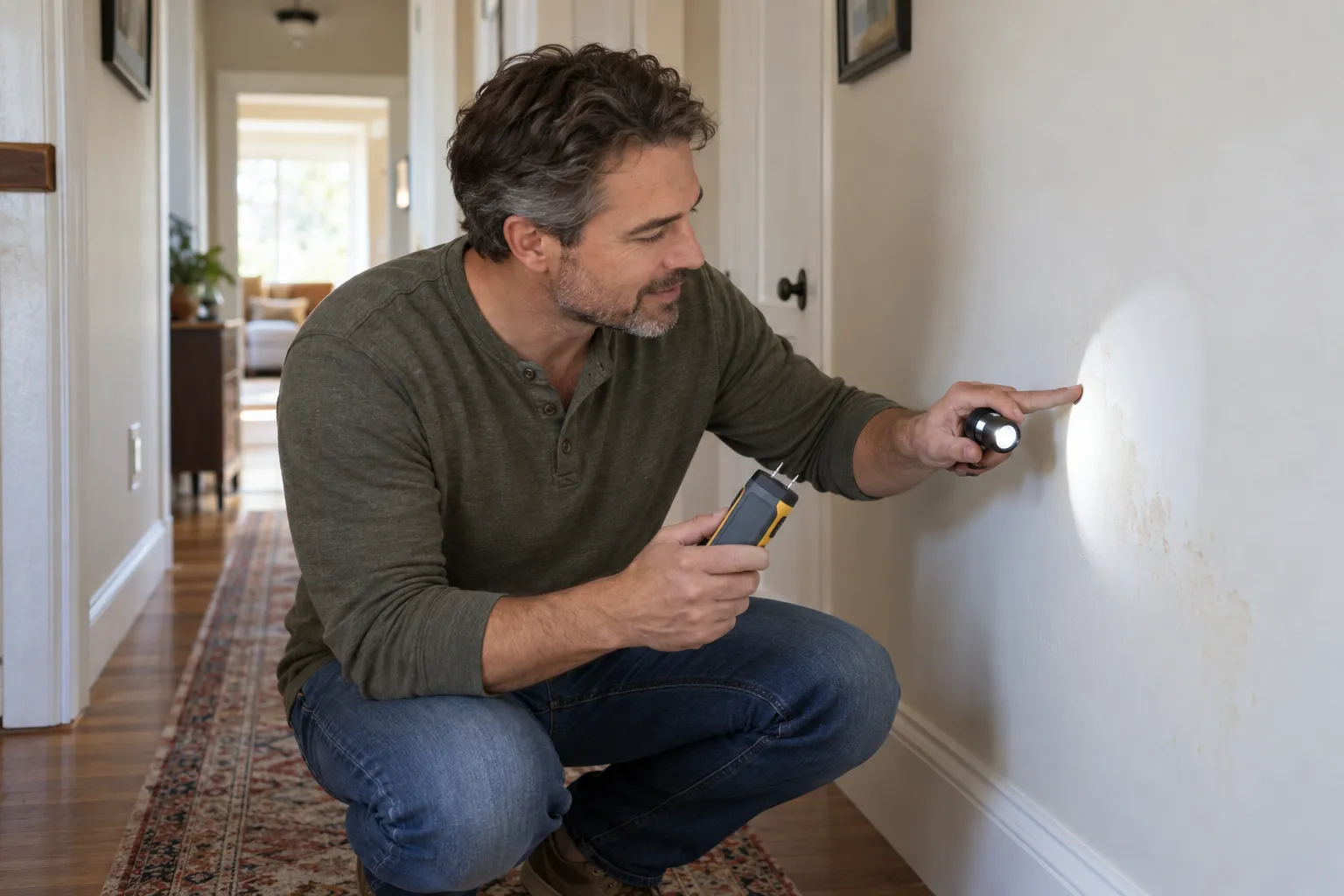
- Request an estimate from a local provider
- Independent providers
- Inspection and testing options
- Residential mold removal
Mold Questions Homeowners Ask
How do I find mold inspection near me?
Send an estimate request through Laurablood Mold Help and describe what you see. We connect you with an independent local provider in our network who can inspect your home. You can also request a callback to ask about provider availability in your area.
What does certified mold testing involve?
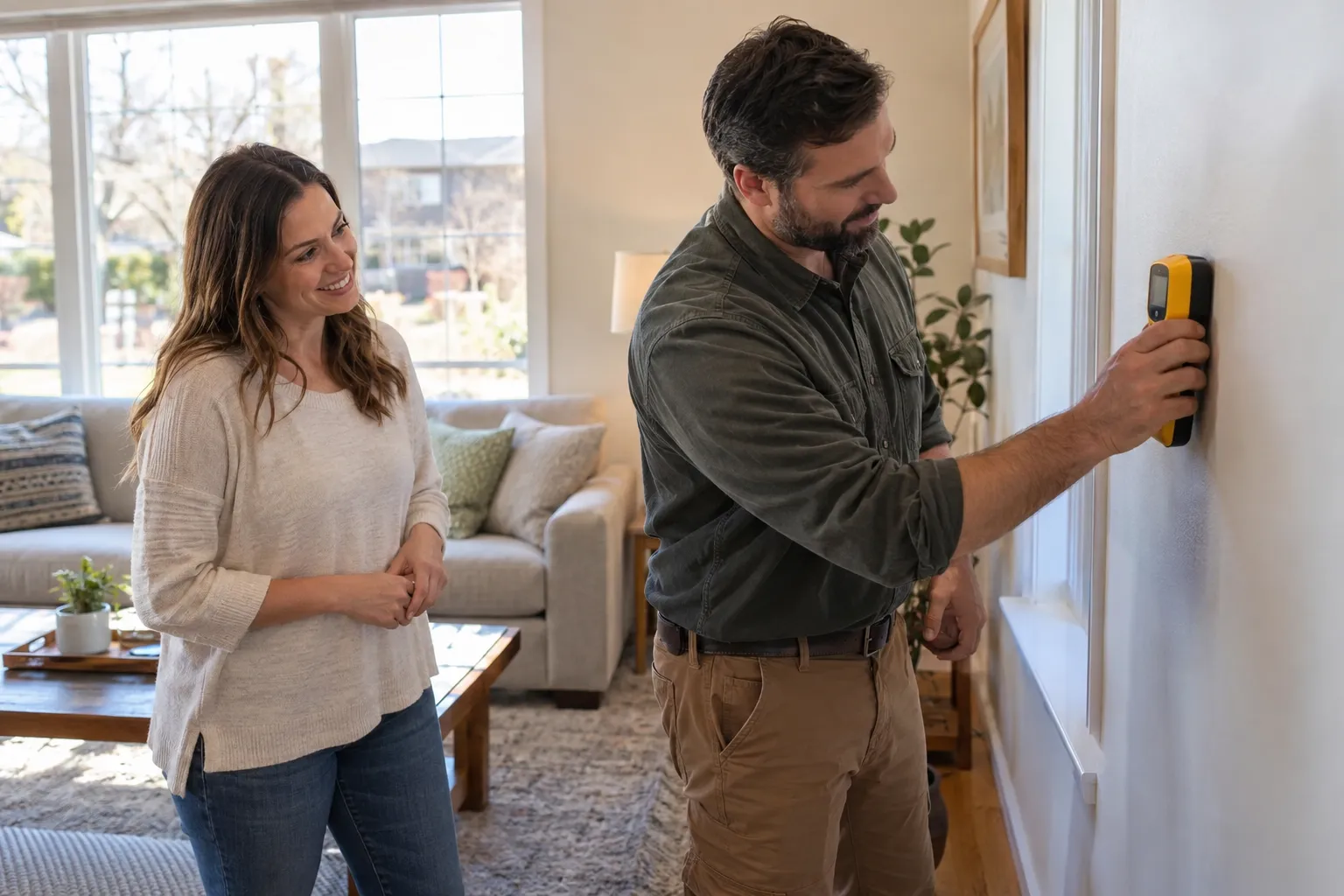
A provider typically checks the area visually, takes moisture readings, and may collect air or surface samples for a lab. Ask each provider about their credentials and what the report will include before you hire anyone.
Can I remove black mold myself?
Small spots on hard surfaces can sometimes be cleaned with detergent, gloves and a mask. Stop if the growth covers a large area, sits on drywall or wood, or keeps coming back. Black mold needs more care, so it is smarter to leave remediation to a provider in our network.
How much does residential mold removal cost?
Typical U.S. prices range from a few hundred dollars for a small area to several thousand for larger jobs. Costs vary by size, materials and access, so always get a written quote.
Will my insurance pay for mold work?
Some policies may cover mold tied to sudden damage, like a burst pipe. Others do not. Check your policy, and ask providers whether they can help document the damage for a claim.
Our Services
Two kinds of help are available through providers in our network. Pick the one that fits where you are right now. Not sure? Describe what you see in your request, and a provider can suggest the right starting point.
Need help in Dallas?
Found a musty spot or fuzzy stain? Send a request or ask about provider availability, and Laurablood Mold Help will point you to an independent local provider.
What to expectWe connect the Dallas area homeowners with independent mold providers, so you spend less time searching and more time fixing.
Why Choose Laurablood Mold Help?
- Less Time Searching. Skip the endless scrolling. One request gets you matched with an independent local provider who works in your part of the area.
- Honest Roles. Laurablood Mold Help is a referral service. Independent providers do the inspecting, testing and cleanup, and you see their quote first.
- Start While Small. A patch the size of your hand is easier to handle than a whole wall. Acting early can keep the job smaller.
- Help After Repair. Once the work is done, you get simple moisture habits to help keep mold from coming back.
Mold Is Easier to Fix Small
You pulled back a vanity door and saw dark spots. Or the closet smells like wet socks. Either way, you have a mold problem, and the clock is running. Mold likes damp, warm spots, and a small patch can spread across drywall, wood and insulation.
Laurablood Mold Help is a referral service. We do not do the work ourselves. We connect you with an independent provider in our network who handles mold inspection, testing and remediation in the Dallas area.
Here is the plan. Send an estimate request. Tell us what you found, where it is, and whether there was a leak or storm. A local provider can then reach out, look things over, and give you a written quote.
In the meantime, do the safe stuff. Shut off the water source if you can find it. Run a fan and a dehumidifier. Keep kids and pets out of the room. Do not scrub it dry or blast it with a leaf blower, because that kicks spores around the house.
Want to talk it through first? Request a callback to check provider availability.
You get a clear next step without ten phone tabs open.
How It Works
Three steps, no runaround
Laurablood Mold Help keeps the process short. You describe the problem. We match it to an independent local provider. The provider takes it from there.
- Step 1: Send your request or request a callback to ask about availability.
- Step 2: A provider contacts you to talk through what you found.
- Step 3: You get a written quote and decide what to do.
There is no obligation to hire anyone.
What the providers do
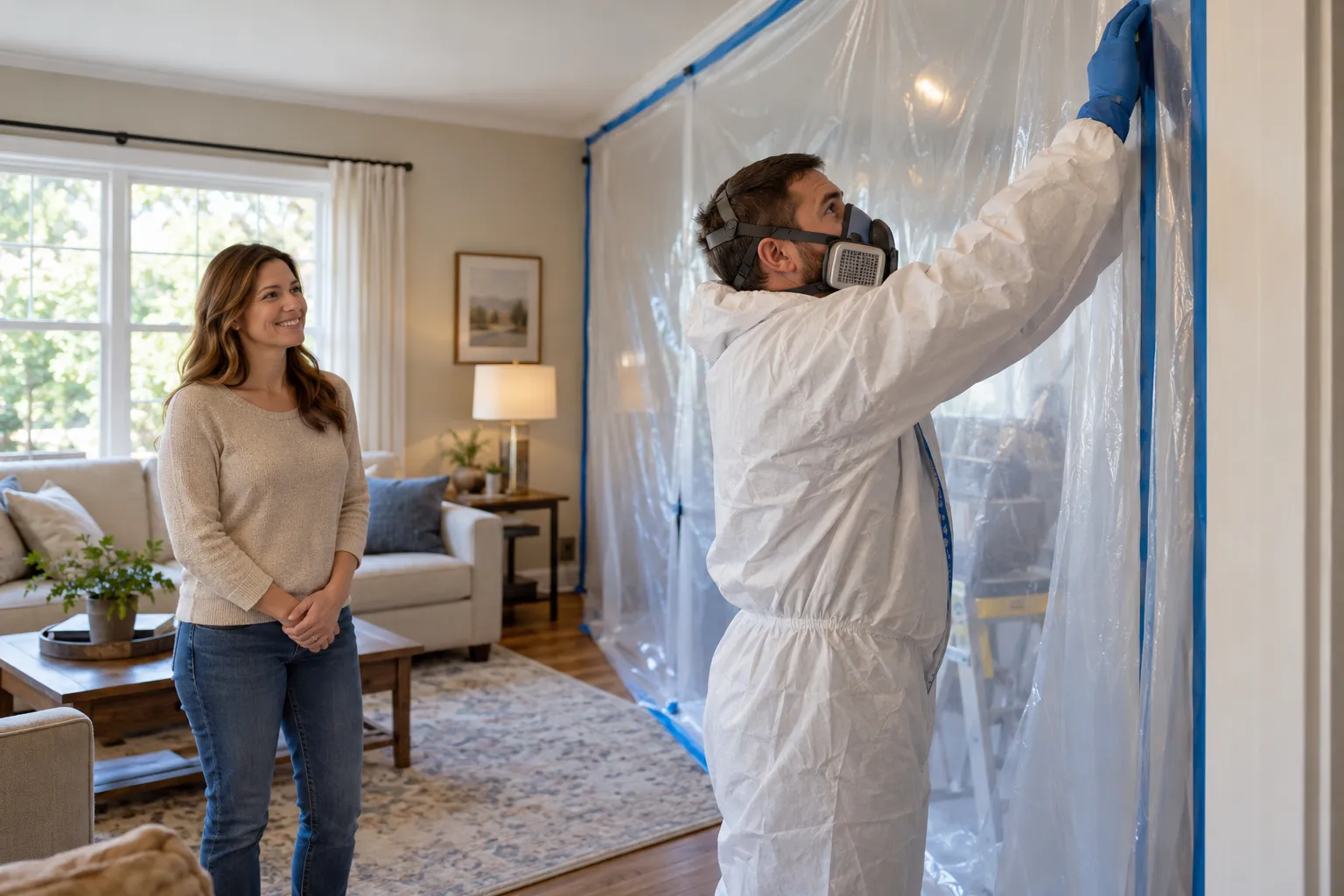
Providers in our network handle the hands-on work. That can mean a visual inspection, moisture readings, air or surface sampling, containment, cleanup and drying. Ask each provider what is included and what credentials they hold. Laurablood Mold Help does not make licensing or certification claims for them.
What Laurablood Mold Help does not do
We do not send crews, run tests or pick up a scrub brush. We just shorten the search. Think of us as the person who hands you the right phone number.
Why start early
In a humid climate, damp materials stay damp. A slow drip under a sink or a wet attic corner can turn into a bigger job fast. Catching it early often means a smaller scope of work and a simpler fix. Every job differs, so get a written quote before you agree to anything.
Serving Homes Across the Dallas area
Homes in the Dallas area face a tough mix. Summers are hot and sticky. Heavy downpours and storm season push water against siding, roofs and foundations. Winters stay mild, so moisture rarely gets a hard freeze to slow it down.
That shows up in the houses. Slab-on-grade ranch homes can wick damp up from below. Brick and vinyl siding can hide a wet wall for months. Attics bake all summer, and a small roof leak or weak vent can leave insulation and decking damp. Older pier-and-beam houses may have musty crawl spaces.
Wherever you live around Dallas, TX, you can send a request and be matched with a provider who works in your area. Availability varies, so request a callback to check which providers can respond quickly.
Prefer to write it out? Use the estimate form and add photos or notes about the room, the smell and any recent leaks.
Keep Your Home Dry for Good
Fix it, then keep it fixed
Cleanup is only half the job. If moisture comes back, mold can too. These habits are simple and cheap.
Watch your humidity
Buy a small hygrometer. Aim to keep indoor humidity under about 50 percent. Run a dehumidifier in muggy months, especially in closets and spare rooms.
Check the usual leak spots
Look under sinks, behind the toilet, around the water heater and near the washer hose. Tighten loose fittings. Replace cracked supply lines before they burst.
Use your exhaust fans
Run the bathroom fan during showers and for about twenty minutes after. Vent the range hood outside. Make sure the dryer vent is not crushed or clogged.
Clear the gutters
After a big storm, check gutters and downspouts. Send water several feet from the foundation. Soil should slope away from the house.
Look up at the attic
A hot attic needs airflow. Check that soffit vents are open and that insulation is not blocking them. Look for stains on the decking after heavy rain.
Peek at the crawl space
If you have a pier-and-beam home, check for standing water, torn vapor barrier and musty smells. Keep the vents clear.
Know when to stop
A small patch on a hard, non-porous surface can often be wiped with detergent and water while wearing gloves and a mask. Stop if the growth is bigger than a few square feet, sits on drywall or wood, keeps coming back, or follows a flood. That is the time to bring in a provider.
Ask about your policy
Some policies may cover sudden damage. Check your policy, and ask providers how they document the work for a claim.
Ready to Start?
Tell us what you found and where. A local provider can look it over and give you a written quote with no obligation.
If you would rather talk, request a callback to check provider availability. You can also email contact@laurablood.living with photos and a short description of the problem.
Laurablood Mold Help Is Proud To Serve the Dallas area
Request a callback
Found a musty spot or fuzzy stain? Send a request or ask about provider availability, and Laurablood Mold Help will point you to an independent local provider.
No obligation